U.S. regulators are moving to tighten controls on 7-OH, a powerful opioid made from the kratom plant, as overdose deaths and addiction cases linked to the products climb.
The Drug Enforcement Administration has issued two notices recommending that 7-hydroxymitragynine, known as 7-OH, be placed under federal drug controls. The Food and Drug Administration has called the products an “emerging public health threat.”
Attorney General Todd Blanche said in August that these are “potent opioids being manufactured and sold in consumer products.”
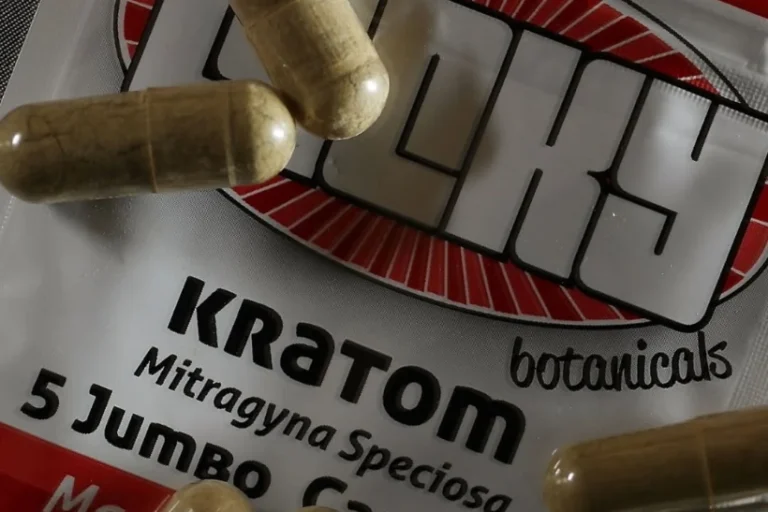
Kratom comes from the leaves of a Southeast Asian tree and has been sold for years in gas stations and smoke shops as an herbal supplement. 7-OH is one of its main active ingredients. Chemically enhanced versions sold as powders, teas, gummies and capsules can be far stronger.
“Kratom offers a mild opioid stimulant effect whereas 7-OH is a highly potent opioid,” said Dr. Mohammad Sarhan, medical director at Caron Treatment Centers’ Florida campus.
Health officials in Los Angeles County have linked six fatal overdoses to 7-OH. In September, San Francisco recorded its first known adult overdose death involving a semisynthetic kratom-based opioid.
Reports of kratom exposure to the National Poison Data System rose 1,200% between 2015 and 2025.
Telehealth provider QuickMD said 55% of its new addiction treatment patients in September were seeking help for kratom or 7-OH dependence, up from 10% in 2024.
Eleven states have banned 7-OH, and Massachusetts and North Dakota have put temporary bans in place. California says the products are illegal to make or sell for consumption.
The American Kratom Association, an industry group, wants regulators to treat natural kratom leaf differently from enhanced 7-OH products. Its senior fellow on public policy, Mac Haddow, said the distinction “is essential to protecting consumers without imposing an unjustified ban on lawful botanical products.”
The group estimates 11 million to 16 million Americans use kratom, with retail sales of about $2.2 billion in 2024. The Centers for Disease Control and Prevention puts the number of people who have ever used it at about 5 million.