The Federal Communications Commission has given SpaceX conditional approval to launch up to 1 million satellites to build data centers in space, a plan meant to meet the growing demand for artificial intelligence computing power.
FCC Chairman Brendan Carr announced the decision on X on Wednesday. “Today, in a historic first, the FCC approved SpaceX’s request for 1 million satellites,” he wrote.
Carr said the move “opens a bold new frontier for the computing infrastructure needed to power America’s leadership and growth.”
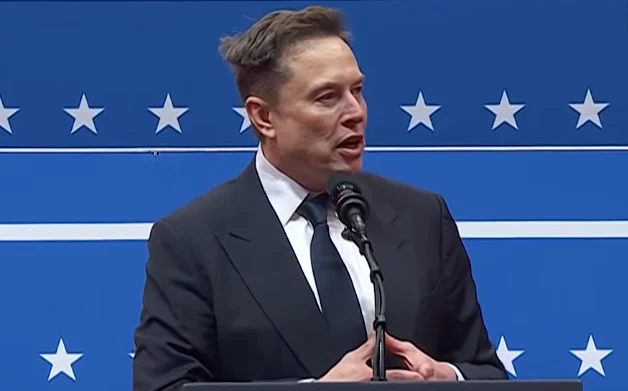
SpaceX founder Elon Musk thanked Carr on X, saying the approval “will be a great asset to America and the world.”
The satellites, called Starmind, would orbit between 500 and 1,002 kilometers above Earth and mainly use lasers to link with other satellites, including Starlink. SpaceX has seven years to launch its first working satellite and 14 years to deploy the full network, according to the FCC order.
SpaceX filed the request in January, calling space data centers the “first step towards becoming a Kardashev II-level civilization.” The company has said it could begin launching AI computing satellites as early as 2028.
Amazon, Viasat and the American Astronomical Society opposed the plan. The astronomers raised concerns about space debris, crowded orbits, radio interference and harm to the environment. Amazon, which is building a rival to Starlink, called it a “lofty ambition rather than a real plan” that “risks real harm.”
The FCC set aside some of those concerns, including threats to scientific research, saying they fell outside its authority.
SpaceX has not yet won approval for its plans to handle debris from satellites flying above 600 kilometers. It still faces major hurdles, including the cost of building and launching the satellites and keeping computer chips cool in space.