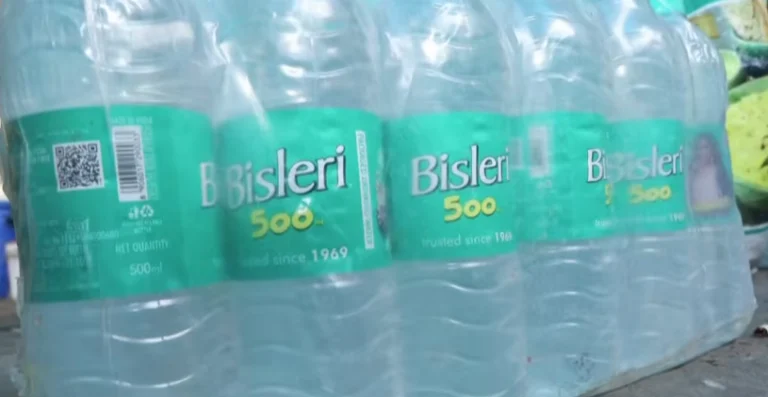
Indian food safety authorities have found a second sample of Bisleri bottled water unsafe, this time because of coliform bacteria, as the regulator widens its checks on the packaged water industry.
The sample came from Bisleri’s plant in Teipara village in West Bengal’s Jalpaiguri district. Both a primary and a referral laboratory confirmed the bacteria, and the Food Safety and Standards Authority of India has approved prosecution of Bisleri International.
A document seen by Reuters shows the regulator told Bisleri of the findings in an Aug. 12 notice and asked it to stop selling the affected batch, which was made in July. A government official said the sample was retested and still found unsafe.
Bisleri said it recalled the batch in August on the government’s instructions. It said “the primary and referral laboratories reported the presence of coliform bacteria in the regulatory sample.”
The company said its own testing of the same batch, done at a lab recognized by the regulator, found the water met “the applicable standard for coliform bacteria and all other applicable food safety standards.”
“The difference between the regulatory and independent findings warrants a thorough review,” Bisleri said.
The regulator had already begun prosecution over a Bisleri sample from Goa that failed limits for bromate, a chemical that can form when water is disinfected. A second lab also found that sample unsafe.
FSSAI chief executive Rajit Punhani said the regulator is “collecting packaged water samples from across the country,” with results expected within one to two months.
Bisleri is India’s largest bottled water brand and competes with PepsiCo and Coca-Cola.