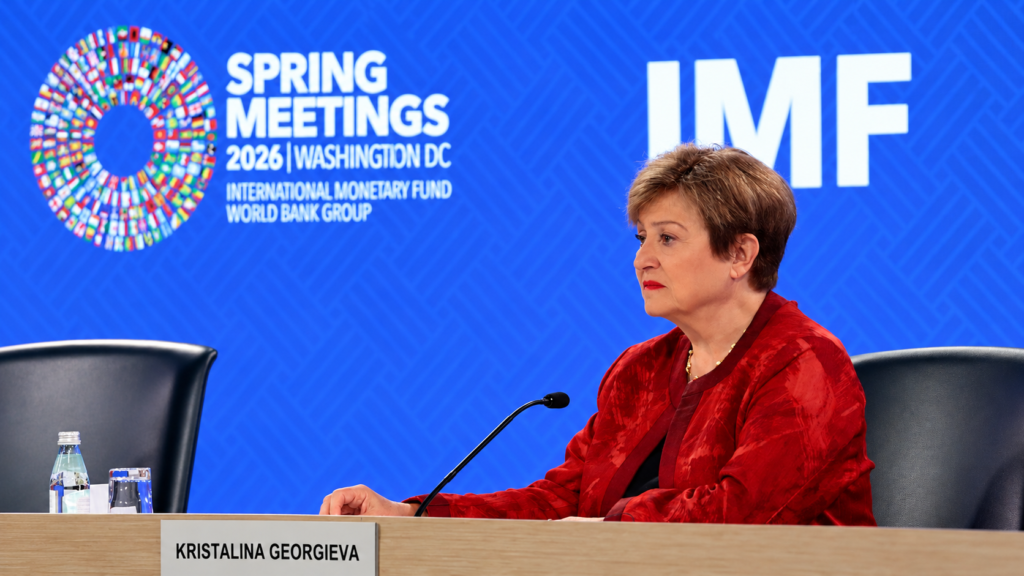
The International Monetary Fund has raised its growth forecast for sub-Saharan Africa, but governments across the region still face heavy interest bills, shrinking aid and rising prices.
The IMF expects the region’s economy to grow 4.5% in both 2026 and 2027, up 0.2 percentage points from its April forecast. It released the outlook Oct. 15 at the IMF and World Bank annual meetings in Bangkok.
Interest payments take about 12% of government revenue in the median country, based on IMF estimates for 2025 to 2027, Capital Ethiopia reported. That leaves less for everything else in the budget.
Exporters gain as others slow
Zeine Zeidane, director of the IMF’s African Department, said commodity exporters were benefiting from high oil, copper and gold prices. Economies that rely less on natural resources are seeing slower growth and wider external deficits, he said, African Business reported.
Aid is also drying up. Bilateral aid to the region is projected to fall another 12% this year after dropping by about a quarter in 2025, the IMF said, citing OECD estimates.
Prices are climbing too. “Median inflation is projected to rise from 3.4% in 2025 to 4.3% this year and 5% next year,” Zeidane said.
The fund named energy shocks linked to the war with Iran, tighter financing and El Niño among the main risks. El Niño could bring weaker harvests, hydropower shortages and damage to infrastructure, it warned.
Finance ministers push for relief
Before the meetings, African finance ministers called for a strict six-month timeline for debt restructuring under the G20’s Common Framework, a suspension of IMF loan surcharges and debt-service relief without new demands for austerity, Africanews reported Oct. 13.
Spending cuts and tax increases have already proved costly. In Kenya, tax increases triggered deadly protests, the outlet noted.
What the IMF advises
Zeidane said broad fuel price relief “is expensive and poorly targeted.” Any temporary relief should be “transparently funded, capped, and time-bound,” he said.
Commodity exporters “should save windfalls and repay costly debt,” he added, while import-dependent economies “must stay the course on fiscal adjustment while protecting essential services.”