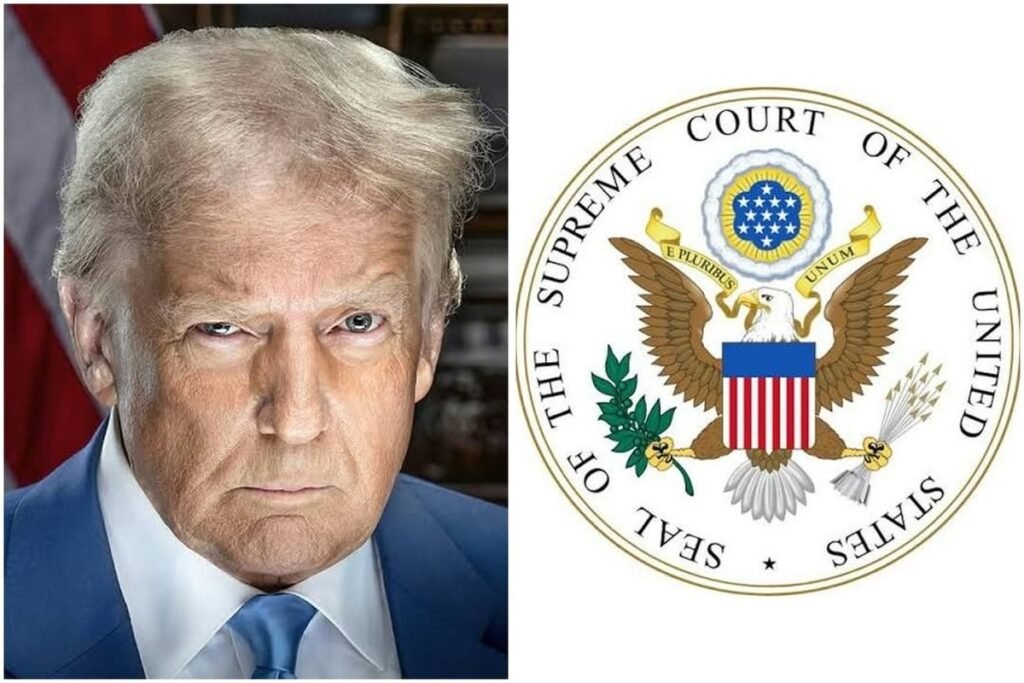
The Trump administration has asked the Supreme Court to limit the power of federal judges to strike down agency rules nationwide, using a fight over surprise medical bills as its test case.
In a 29-page petition filed Oct. 14, Solicitor General D. John Sauer argued that courts should generally give relief only to the people and groups that sued, not wipe a regulation off the books for everyone.
The remedy at issue is called universal vacatur. When a court uses it to set aside an unlawful federal rule, the ruling also covers people who were never part of the case.
Sauer wrote that nothing in the Administrative Procedure Act gives courts that “new and far-reaching remedial power.” When a handful of plaintiffs win vacatur, he argued, the regulations are “erased from the books as to everyone.”
The government also says that even where courts have that power, they should not use it by default every time they find a rule unlawful.
The surprise billing fight behind the case
The case, Department of Health and Human Services v. Texas Medical Association, grew out of rules carrying out the No Surprises Act. The 2022 law protects patients from many unexpected bills for out-of-network care.
The Texas Medical Association, a hospital and four air ambulance companies challenged how insurers calculate the payment benchmark used in billing disputes. In August, the full Fifth Circuit Court of Appeals sided with them on parts of that formula and threw out several provisions, Bloomberg Law reported.
Sauer’s appeal does not focus on the billing formula itself. It asks how far a ruling should reach once a judge finds a federal rule unlawful.
A decision for the government could affect challenges to other health rules, including those tied to Medicare, Medicaid and the Affordable Care Act, according to Bloomberg Law.
A follow-up to last year’s injunction ruling
The petition leans on Trump v. CASA, the 2025 decision in which the Supreme Court barred federal judges from issuing universal injunctions. The administration says the same reasoning should apply when courts set aside agency rules for the whole country.
The two remedies work differently. An injunction orders the government to do something or stop doing it. Vacatur cancels the agency action itself.
Sauer also warned that nationwide vacatur invites forum shopping and gives a single district court order the kind of reach “usually reserved for the precedents of the court of last resort.”
The Supreme Court has not agreed to hear the case. The challengers’ response is due Nov. 13, though SCOTUSblog reported that the deadline may be extended.