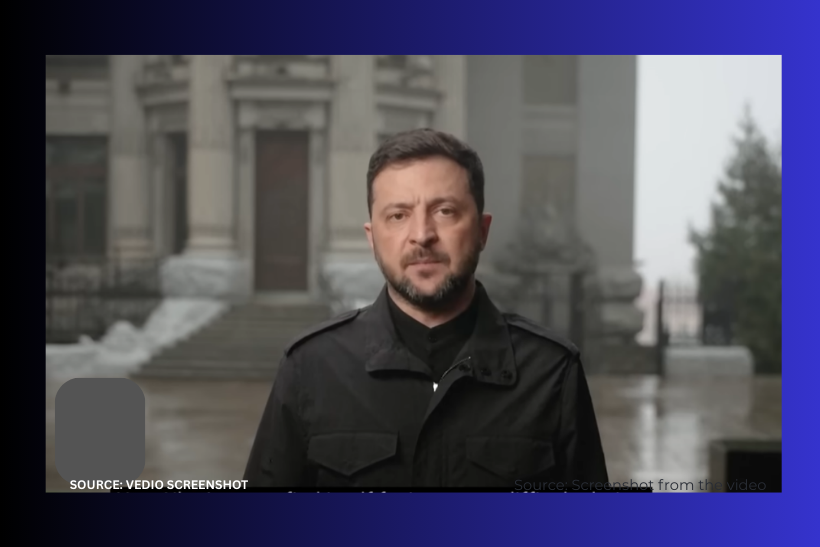
Ukrainian President Volodymyr Zelenskyy warned Wednesday that around 10,000 North Korean soldiers are now on Russian territory and are being exposed to modern hybrid warfare tactics, raising serious international security concerns, according to Kyiv officials and reporting from Ukrainian news outlets.
Zelenskyy said in interviews that the presence of North Korean troops in Russia goes beyond basic support and involves training in counter-drone operations, missile defense and other components of hybrid warfare a blend of conventional and irregular tactics.
He described the situation as “extremely dangerous” because these soldiers are gaining experience relevant to future conflicts if they return to North Korea with that expertise.
Ukrainian government sources also linked the buildup to Moscow’s ongoing war in Ukraine and broader military cooperation with Pyongyang
The allegation adds a complex dimension to the Russia-Ukraine war, in which Russia has relied on a range of foreign support, including reported manpower assistance from North Korea.
Ukrainian national security officials have previously stated that Pyongyang has been providing artillery shells and other munitions to Moscow, while Moscow is accused of using foreign fighters on front lines.
Independent verification of the exact number of North Korean troops on Russian soil is not confirmed by Western-based intelligence publicly. However, this claim aligns with repeated warnings from Ukrainian officials about deepening military ties between Moscow and Pyongyang during the conflict.
Western analysts say that hybrid warfare training including use of unmanned systems, electronic warfare and defensive operations could significantly enhance North Korean military capabilities if lessons learned were applied in other theaters.
Zelenskyy’s remarks follow renewed concerns about the internationalization of the Ukraine conflict, with diplomatic, intelligence and security forums debating the implications of allied foreign support for both Ukraine and Russia.
NATO and U.S. defense officials have expressed unease over any transfer of strategic knowledge from Russian battlefields to other global partners.