U.S. political leaders from both parties are confronting mounting electoral and strategic risks as the fast-moving conflict with Iran triggered by recent U.S. and Israeli strikes elevates tensions at home just months before the 2026 midterm elections.
The situation has sharpened partisan divides in Congress and shifted public opinion in ways that could influence domestic political fortunes.
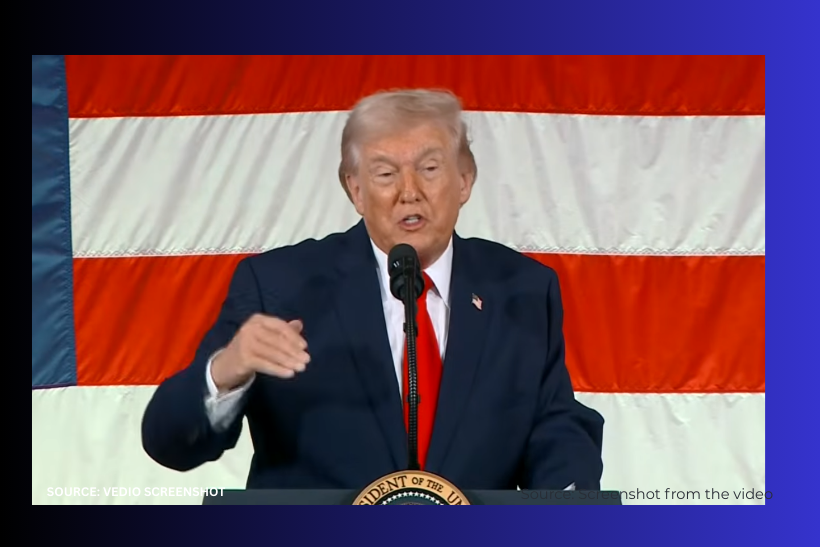
Republicans, including President Donald Trump and GOP lawmakers, are broadly defending the military action as necessary for national security and to deter Tehran’s threats, with leaders such as Senator Lindsey Graham calling the operation “violent, extensive … and … successful.”
Support within the GOP, however, may be tested if conflict persists, casualties mount or economic factors such as higher fuel prices emerge as voter concerns.
Democrats are wrestling with how to frame their response, with many criticizing the strikes as lacking congressional authorization and calling for a war powers vote, while others are cautious about being seen as weak on national security. Analysts say the absence of a unified message could complicate Democratic efforts to capitalize politically if public opinion turns against the military action.
Polls indicate broad public apprehension about the conflict, with a significant portion of Americans, and especially independents and Democrats, opposing the strikes and expressing concern over escalation, creating potential electoral risk for both parties as the war enters its next phase.